Strategic clarity that defines what a brand stands for — and what it leaves behind
About brand strategy & positioning
Brand strategy begins before design. Clients typically come to Adams Design at moments of uncertainty or transition: a new development entering a crowded market, an organization struggling to differentiate itself, or a brand whose outward expression no longer reflects its ambition.
Brand strategy and positioning provide the foundation for everything that follows. This work defines a brand’s point of view — its role, relevance, and resonance — before any visual decisions are made. It clarifies how a brand should be perceived, who it is speaking to, and why it matters within its competitive landscape.
For us, strategy is not a separate phase or abstract exercise. It is an integrated process that shapes naming, messaging, identity systems, and campaign thinking from the outset.
Our approach
We approach brand strategy through context and constraint. Market conditions, location, audience behavior, and competitive pressures all inform how a brand should be positioned. Just as importantly, we identify what a brand should not try to be — allowing focus, confidence, and distinction to emerge.
This work often involves defining a single, central idea that can guide decision-making across disciplines. For Liberty Wharf, strategy centered on establishing a sense of place within a rapidly evolving waterfront district. At Battery Wharf, positioning reframed a stalled project through placemaking and European harbor references. For One Canal, strategy focused on articulating an elevated urban lifestyle anchored by a rooftop skyline experience.
In each case, strategy provided the clarity needed to align branding, advertising, and experience around a coherent narrative.
Strategy as placemaking
In residential, mixed-use, and hospitality environments, brand strategy frequently overlaps with placemaking. Before a place can be branded, it must be understood: its relationship to the city, its audience, and its lived experience.
We help clients articulate what makes a place distinct — whether that distinction comes from geography, architecture, culture, or atmosphere. Strategic positioning then becomes the lens through which identity systems, campaigns, and environments are developed.
Projects such as Turner Hill and The Sudbury Residences demonstrate how strategy can unify diverse uses — residential, retail, hospitality, public space — under a single, legible idea that feels both specific and enduring.
What this work includes
Brand strategy and positioning engagements typically involve competitive analysis, audience definition, brand narrative development, and messaging frameworks. The goal is not to produce documentation for its own sake, but to create a strategic backbone that supports visual identity, campaigns, and long-term brand growth.
This work is often undertaken in advance of — or in tandem with — Brand Identity and Placemaking & Campaigns, ensuring that execution is grounded in purpose rather than surface-level differentiation.
The Cape Club
Battery Wharf
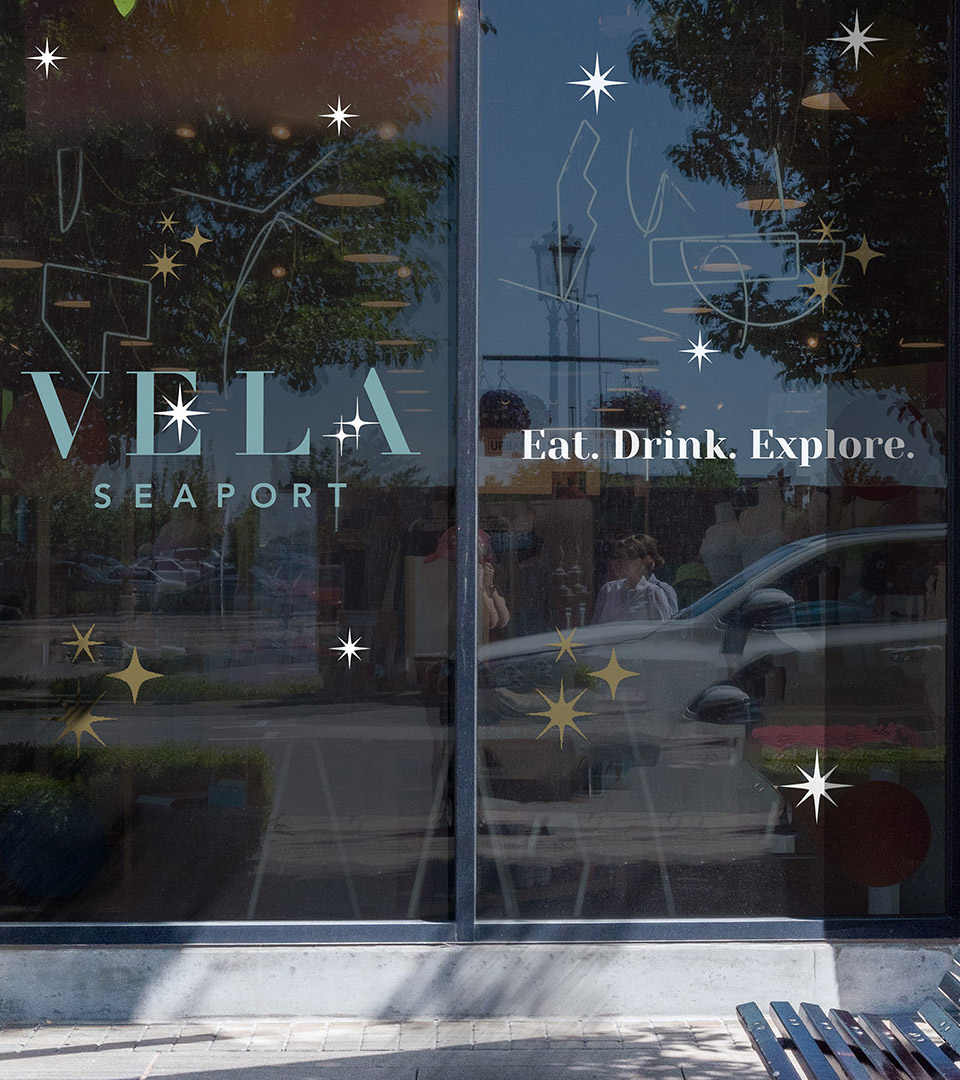
Vela Seaport
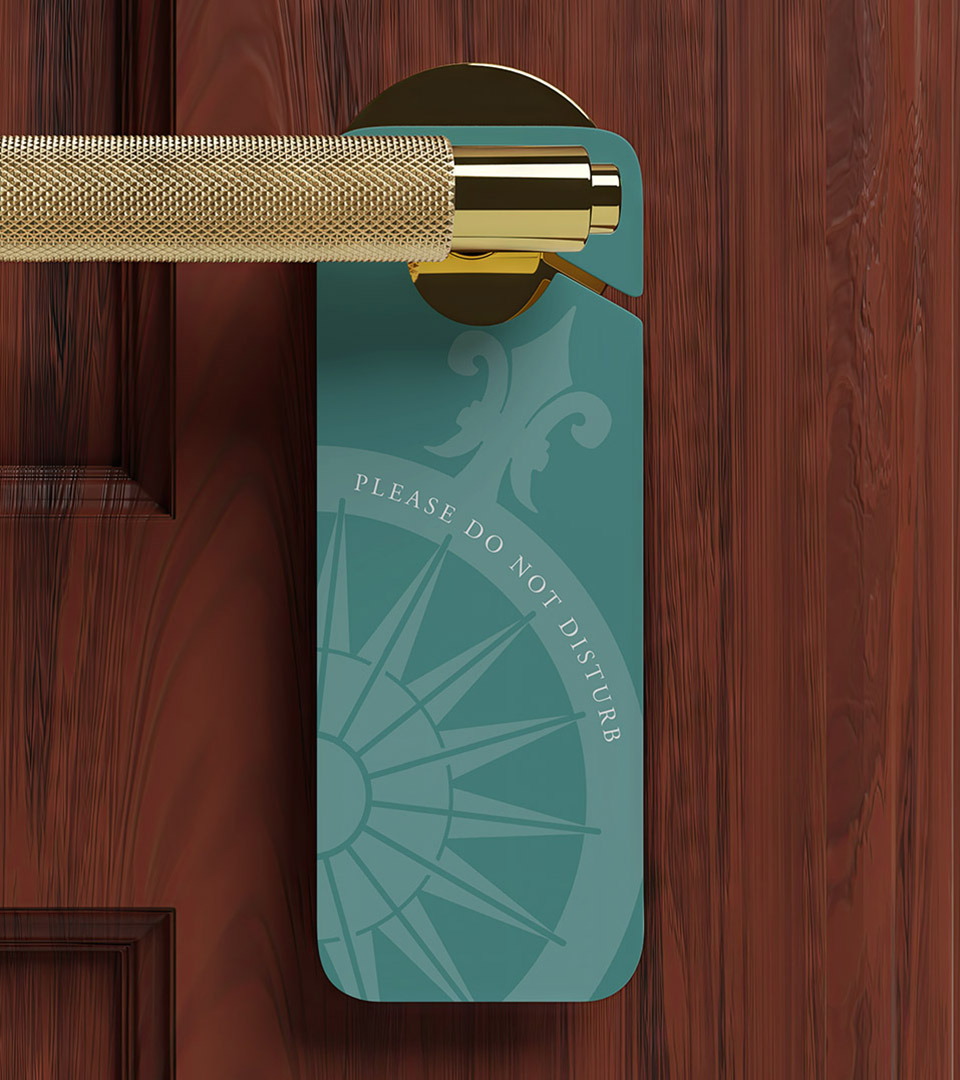
Seaport Hotel
If you’re at a point where clarity matters more than speed, we’re always open to a conversation.